



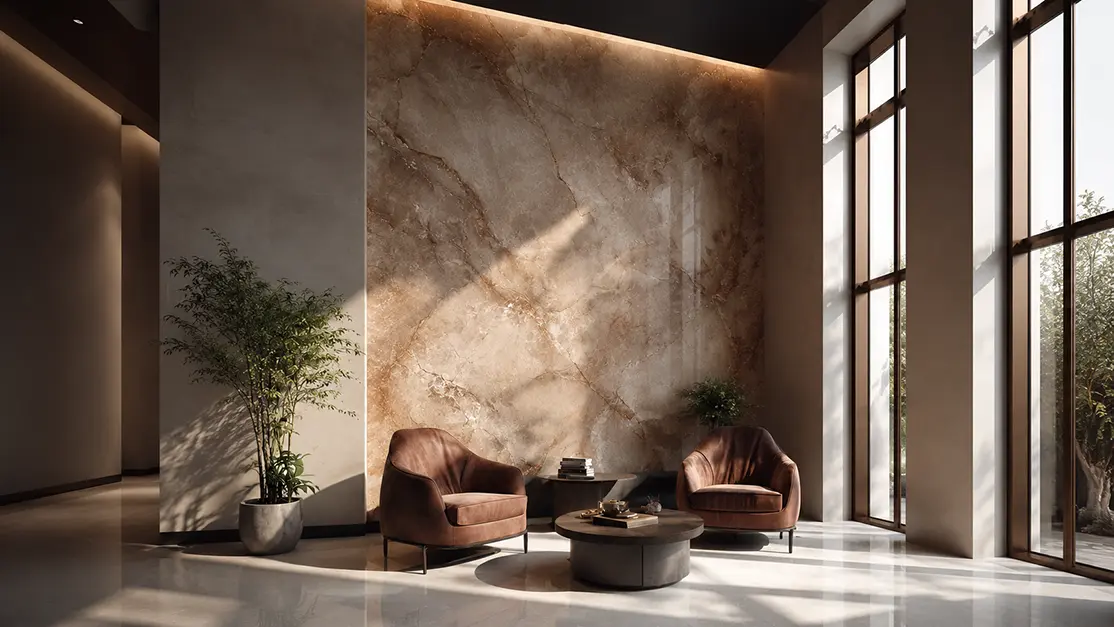
Colour pigments for lime plaster & wall decoration
Mineral inorganic pigments for custom colour shades
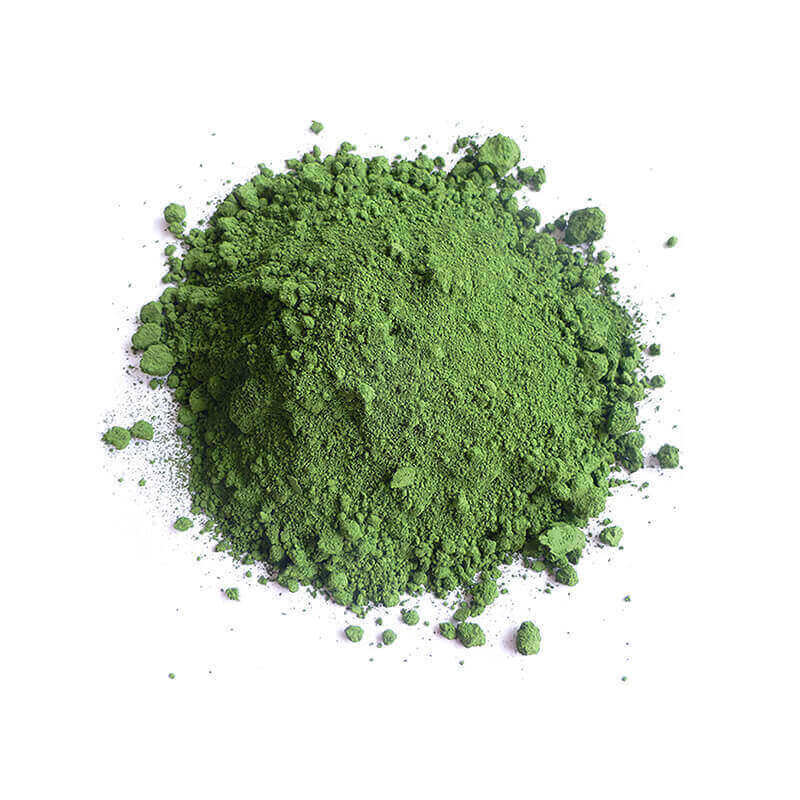
Chrome oxide green
Price range: € 10,60 through € 48,80

Iron oxide brown medium
Price range: € 5,90 through € 23,70
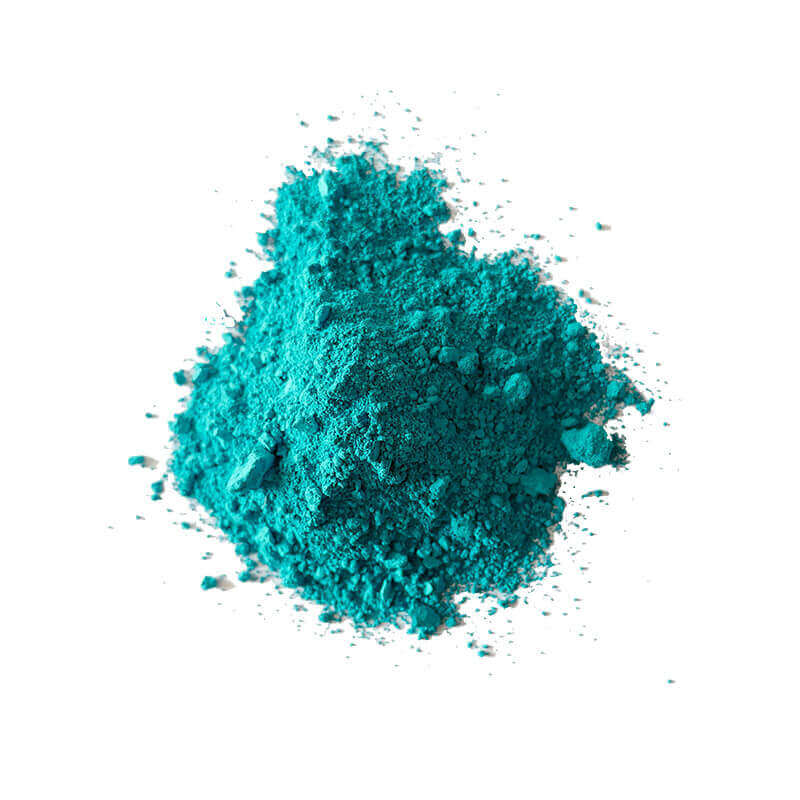
Turquoise aquamarine
Price range: € 5,60 through € 37,80
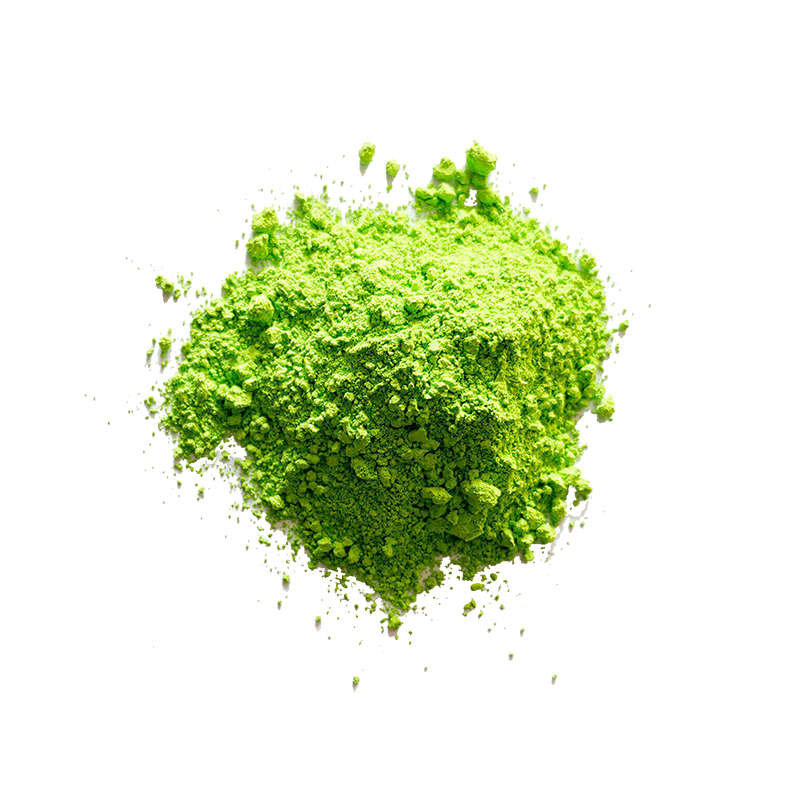
May green
Price range: € 7,90 through € 39,30
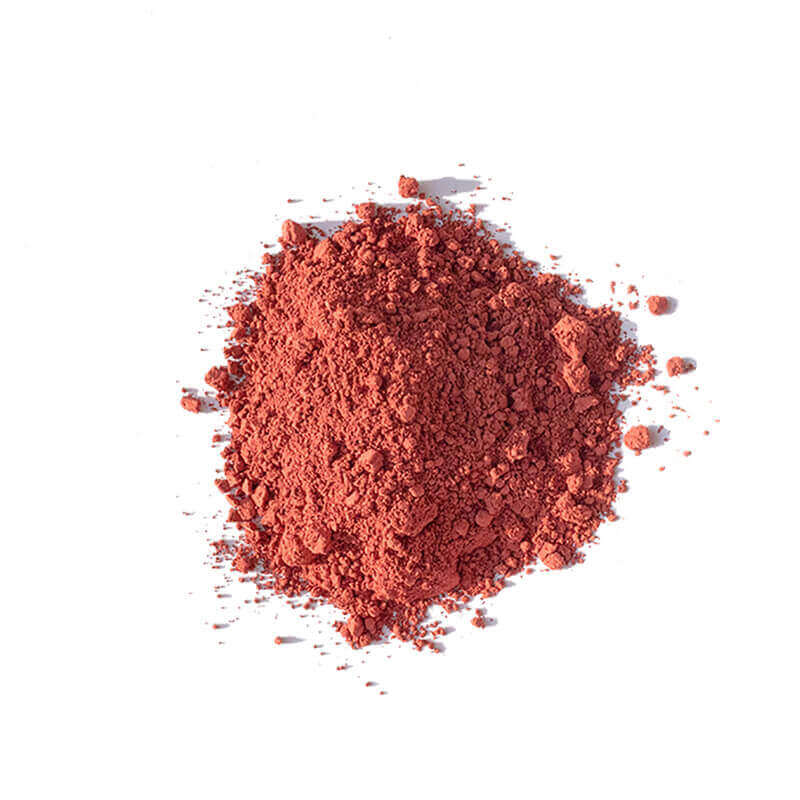
English red
Price range: € 4,50 through € 16,90

Lime sintered water
Price range: € 5,50 through € 82,70

Iron oxide red light
Price range: € 4,80 through € 21,40
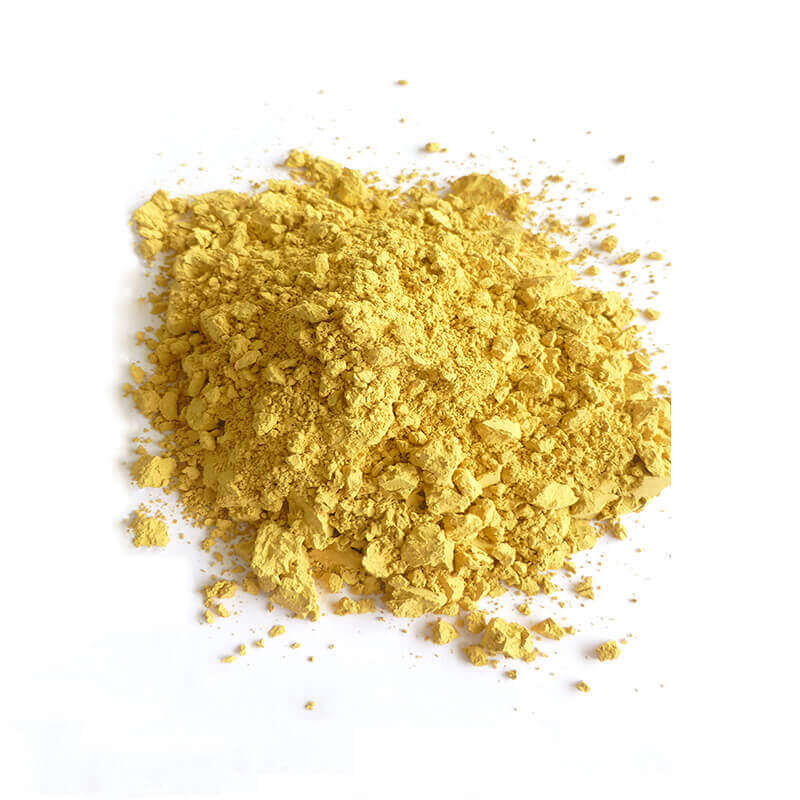
Ochre gold
Price range: € 5,40 through € 24,20
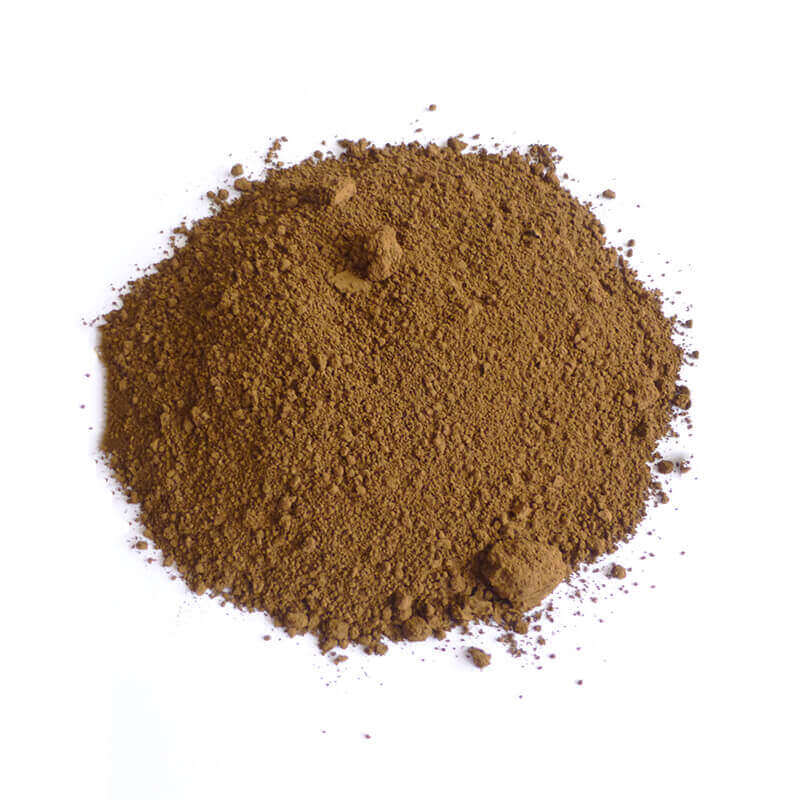
Umbra - nature
Price range: € 4,80 through € 25,50
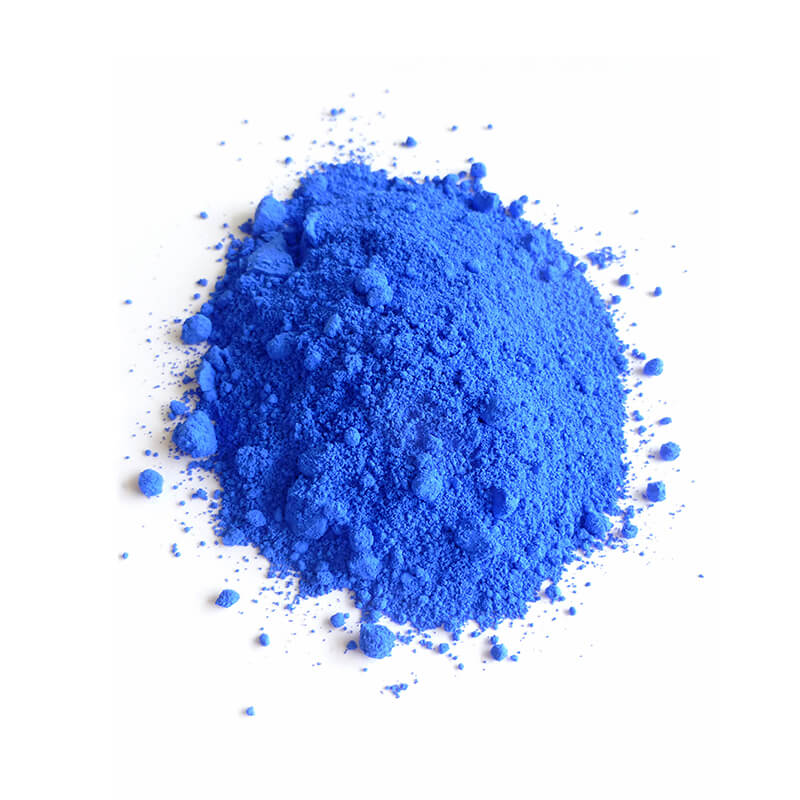
Ultramarine blue
Price range: € 7,00 through € 33,40
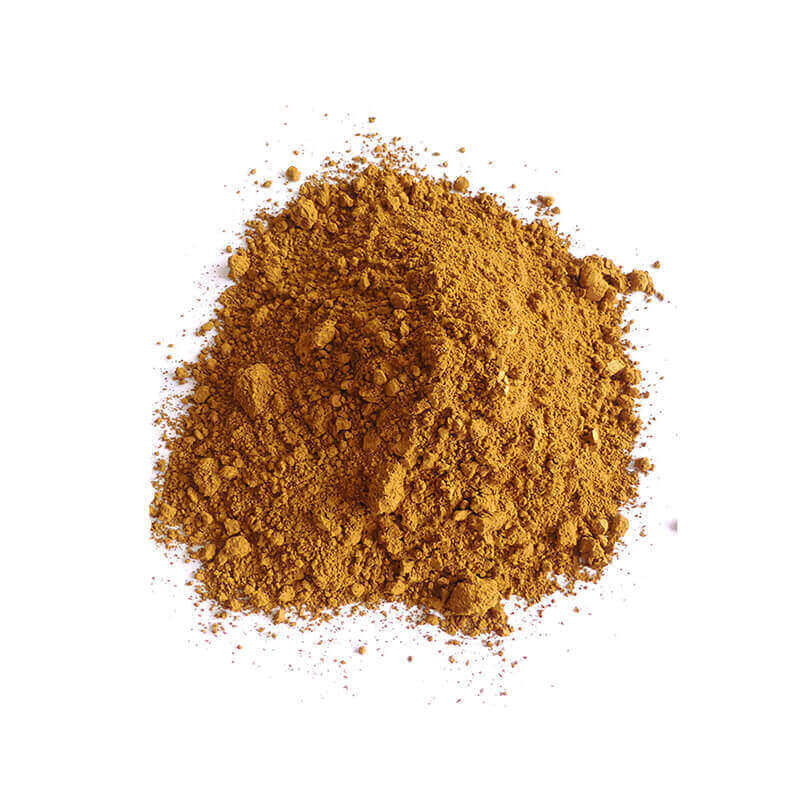
Terra di Siena – brownish
Price range: € 4,80 through € 22,20
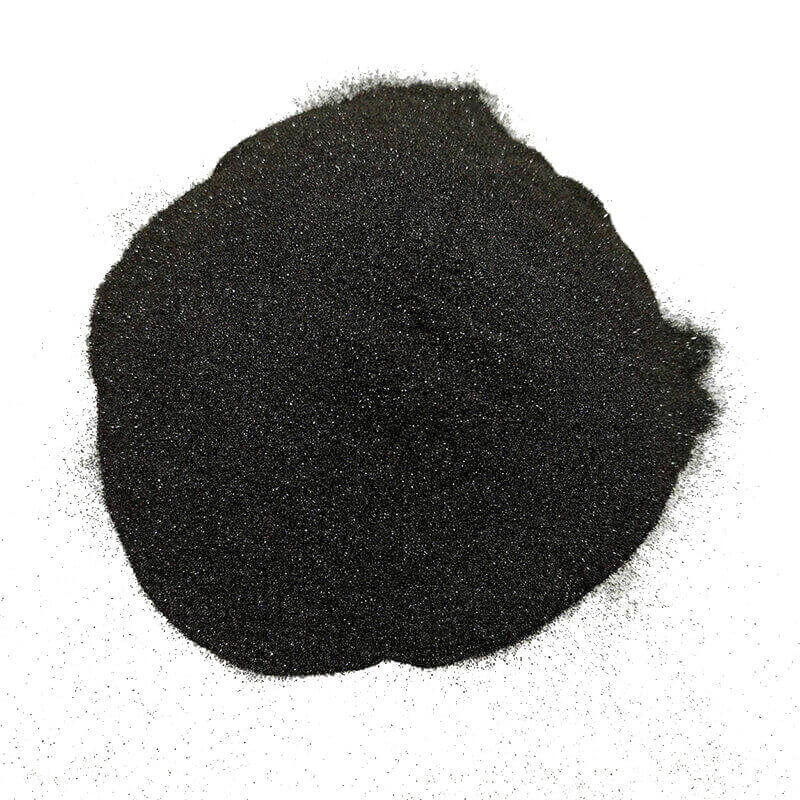
Iron mica
Price range: € 5,10 through € 29,45
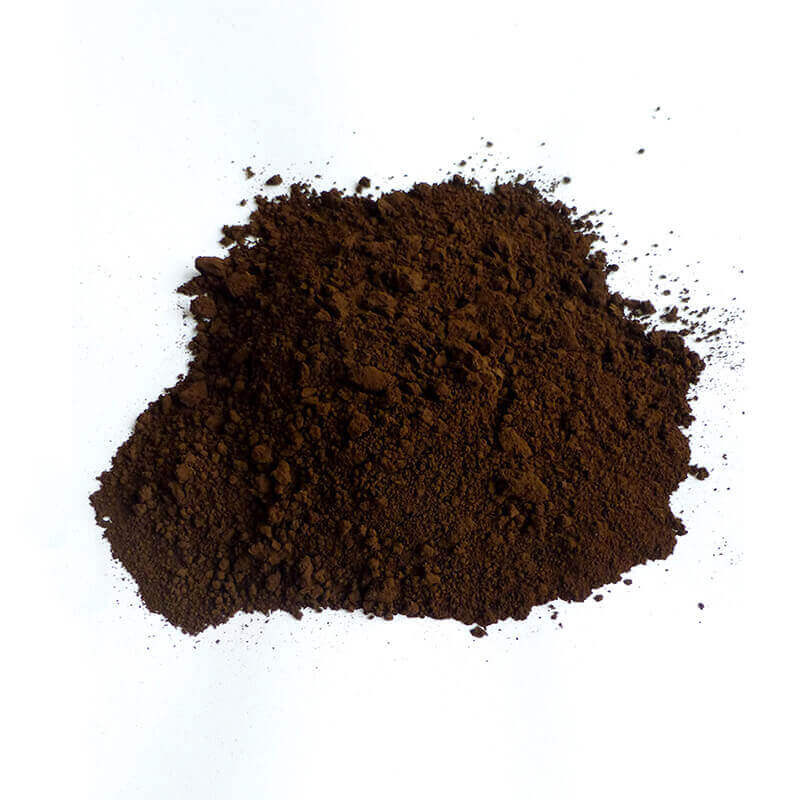
Umbra fired, black brown
Price range: € 5,90 through € 26,40
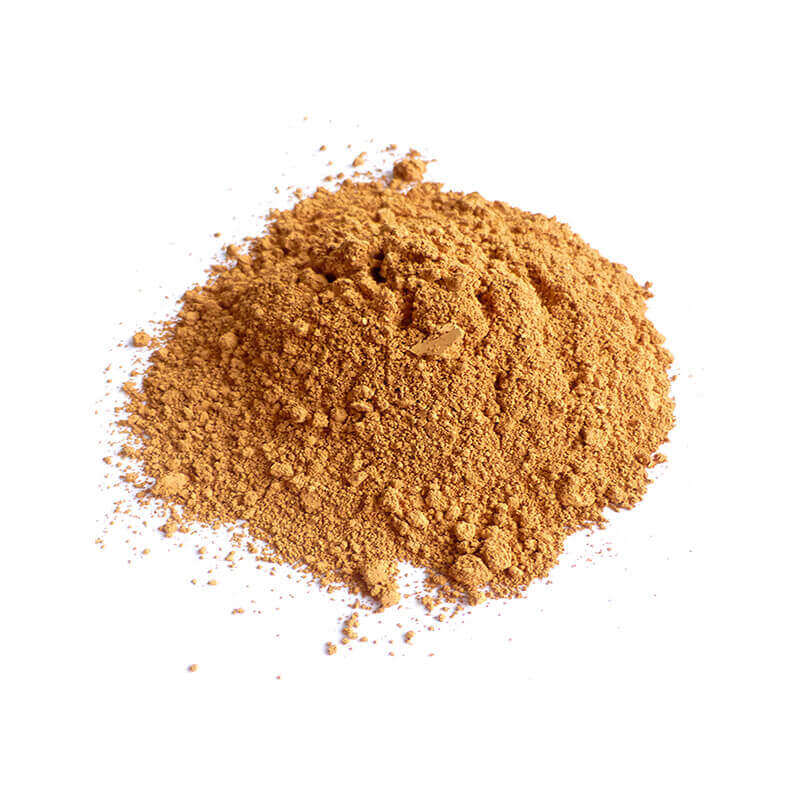
Ochre havane orange
Price range: € 3,00 through € 13,60
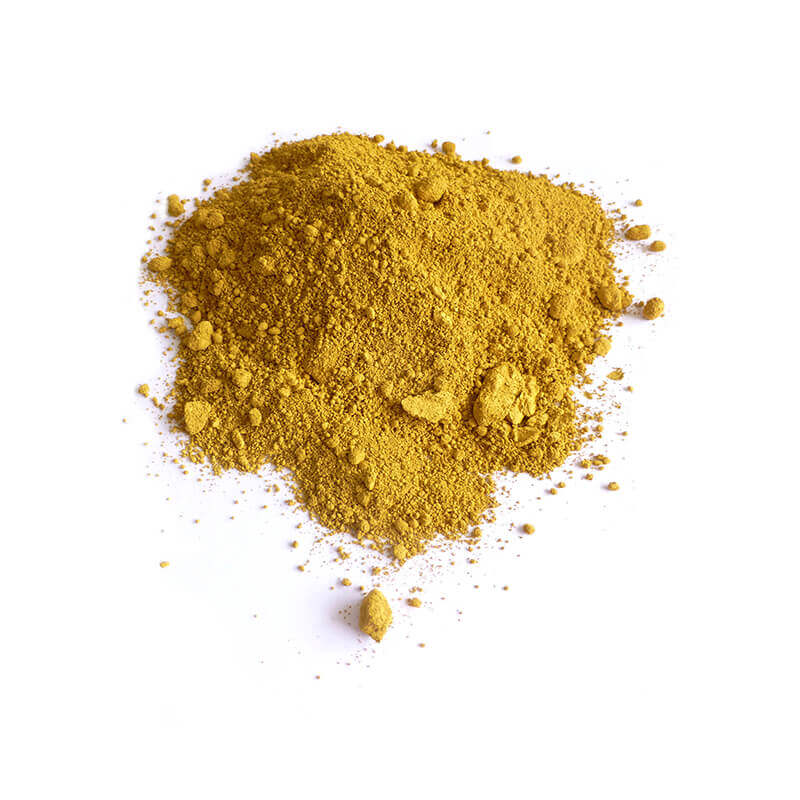
Iron oxide yellow
Price range: € 4,10 through € 17,90
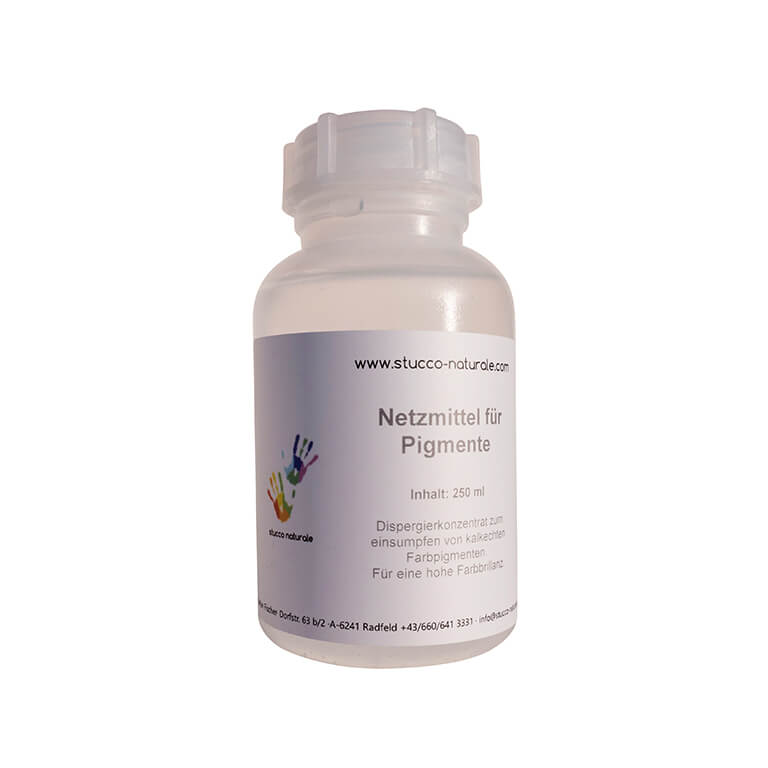
Wetting agent for pigments
€ 9,90
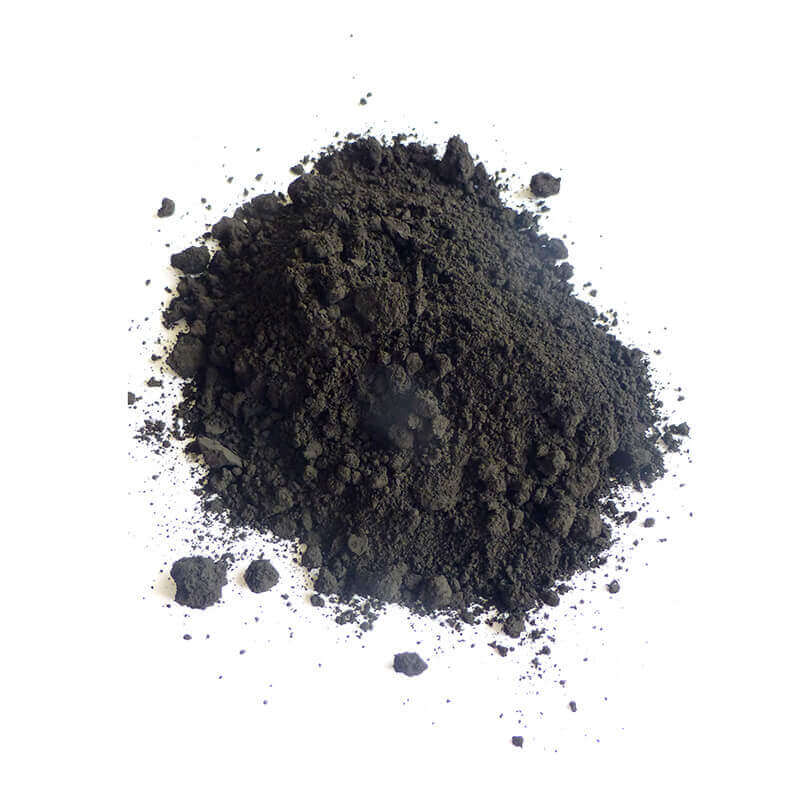
Oxyde black
Price range: € 4,80 through € 18,70
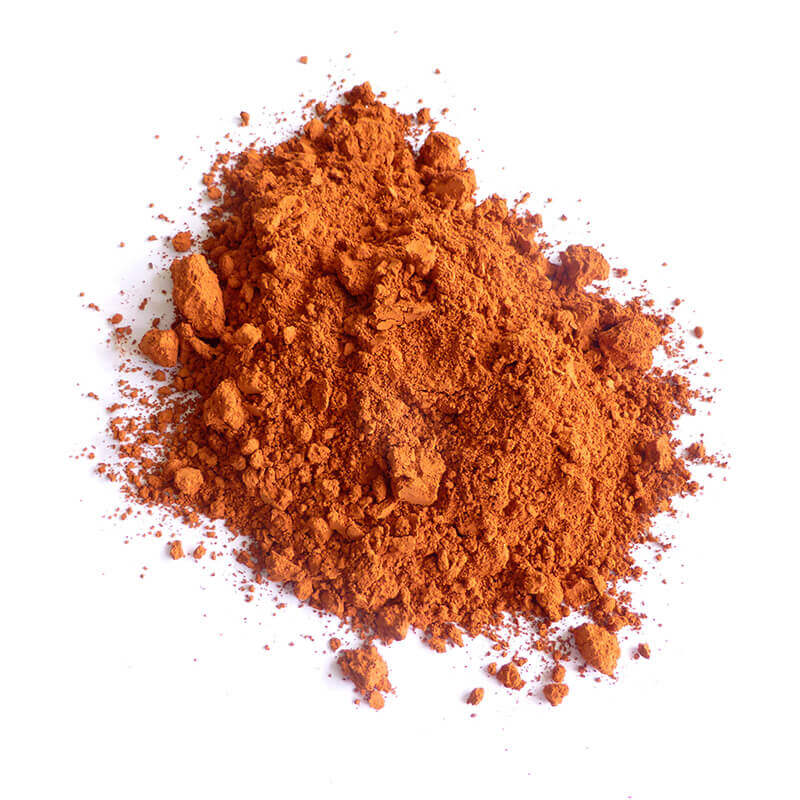
Ochre orange-red
Price range: € 3,00 through € 12,00
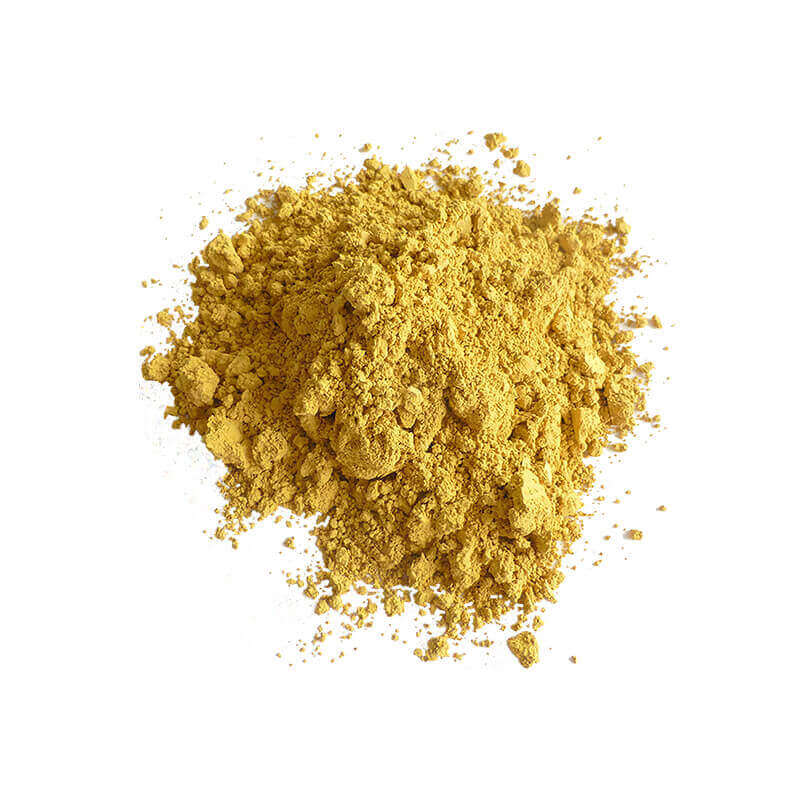
Ochre light yellow
Price range: € 3,00 through € 13,60
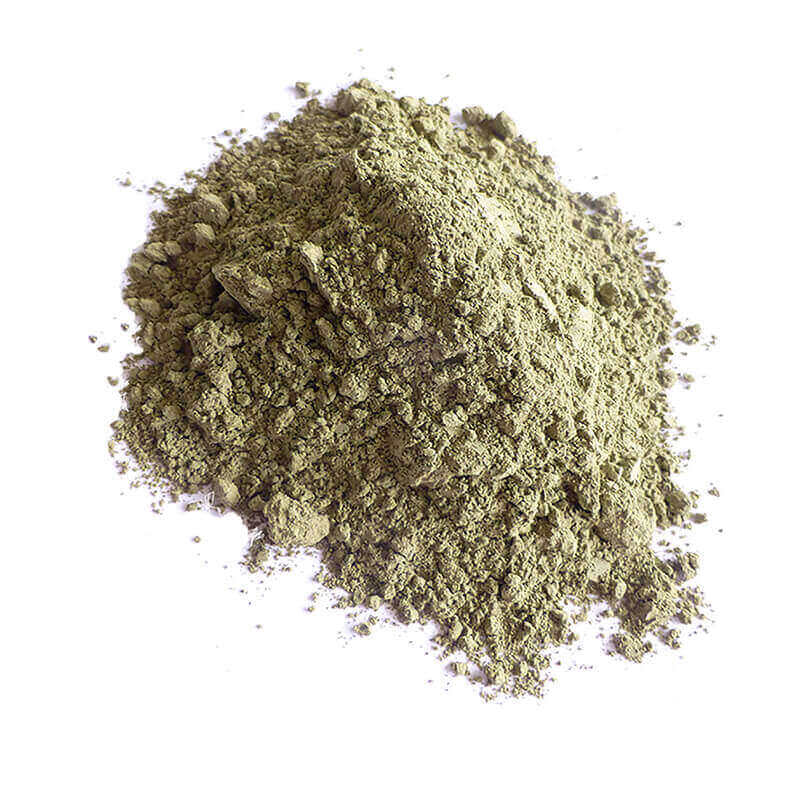
Green Earth from Verona
Price range: € 4,80 through € 20,30
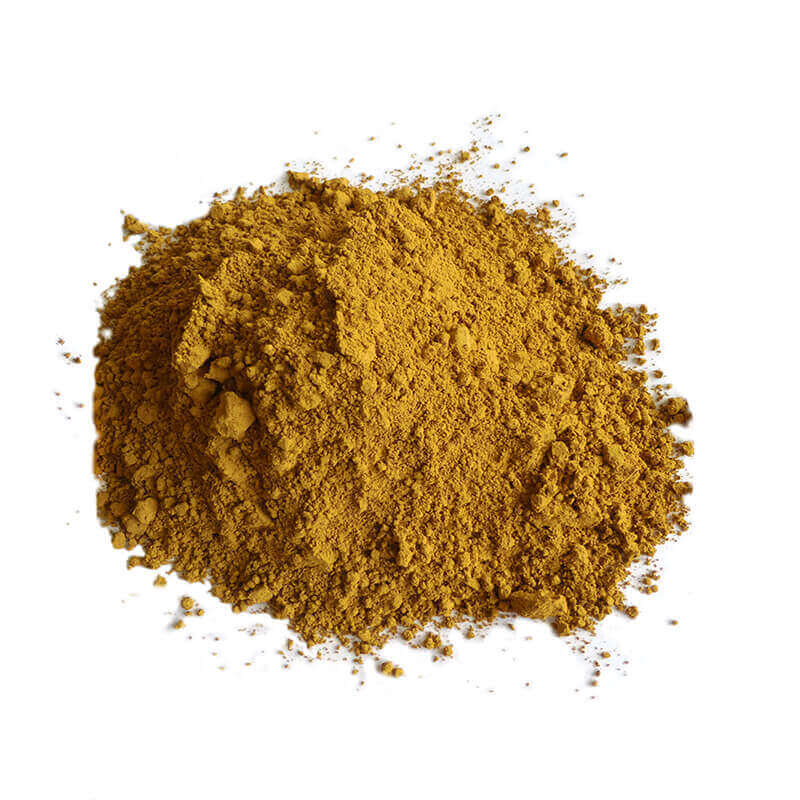
Terra di Siena - nature
Price range: € 4,80 through € 25,30
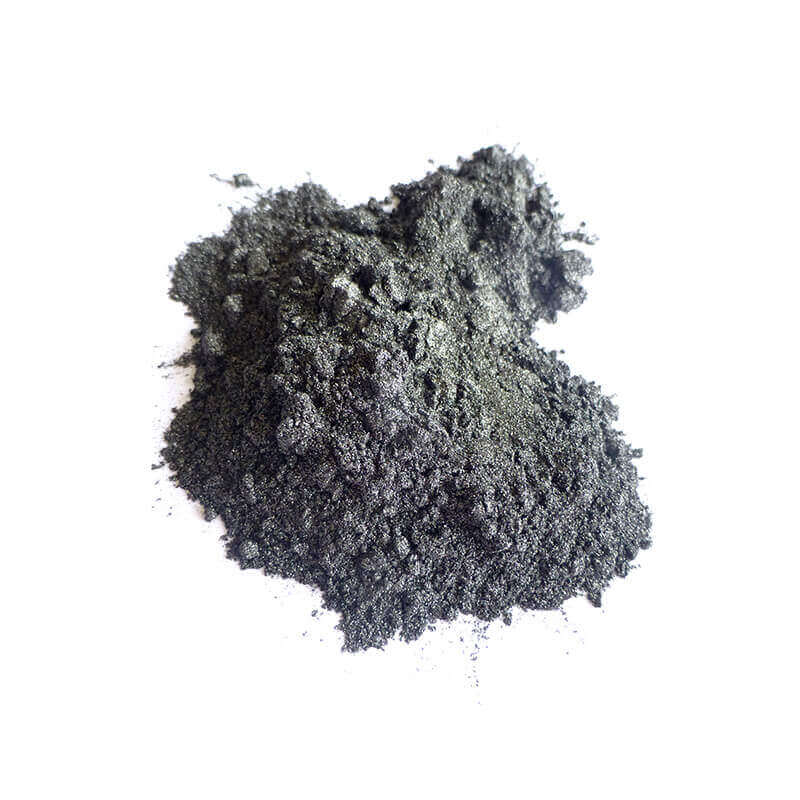
Graphite Silver Powder
Price range: € 8,50 through € 29,90
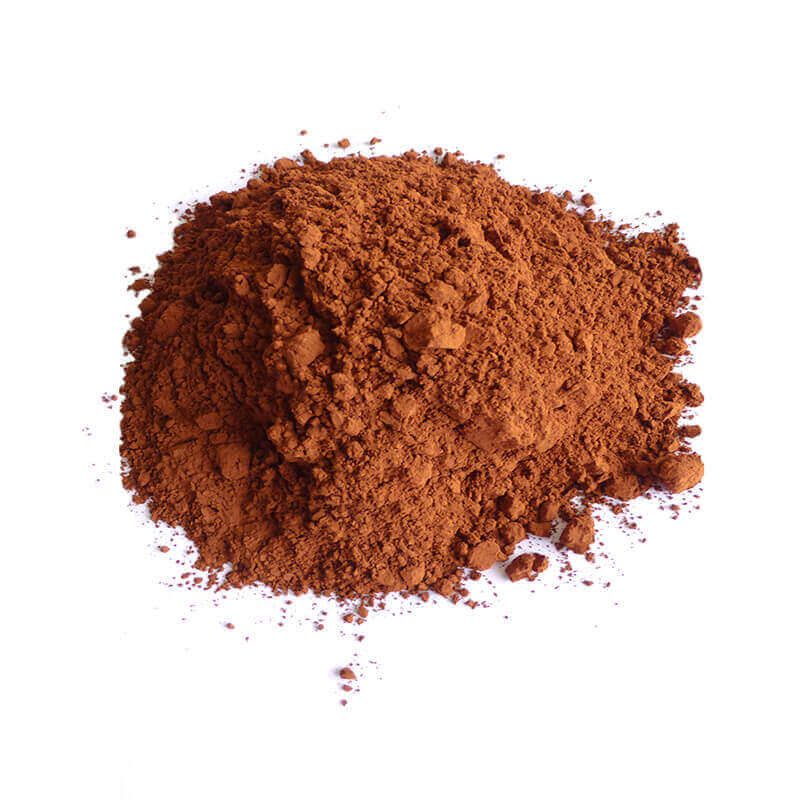
Rosso Sartorius
Price range: € 10,60 through € 48,50
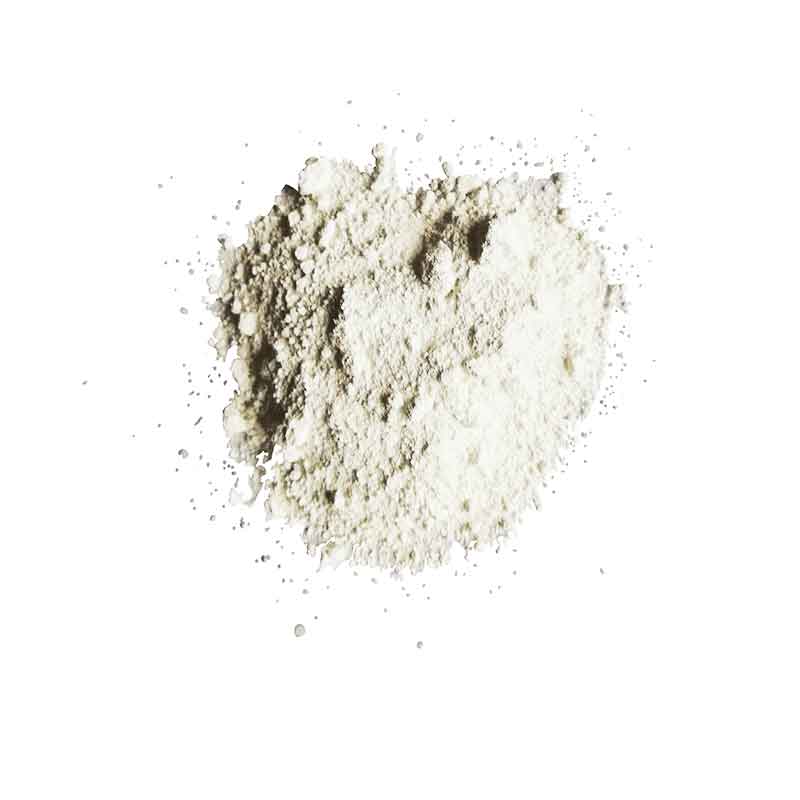
Titanium white
Price range: € 5,30 through € 13,90
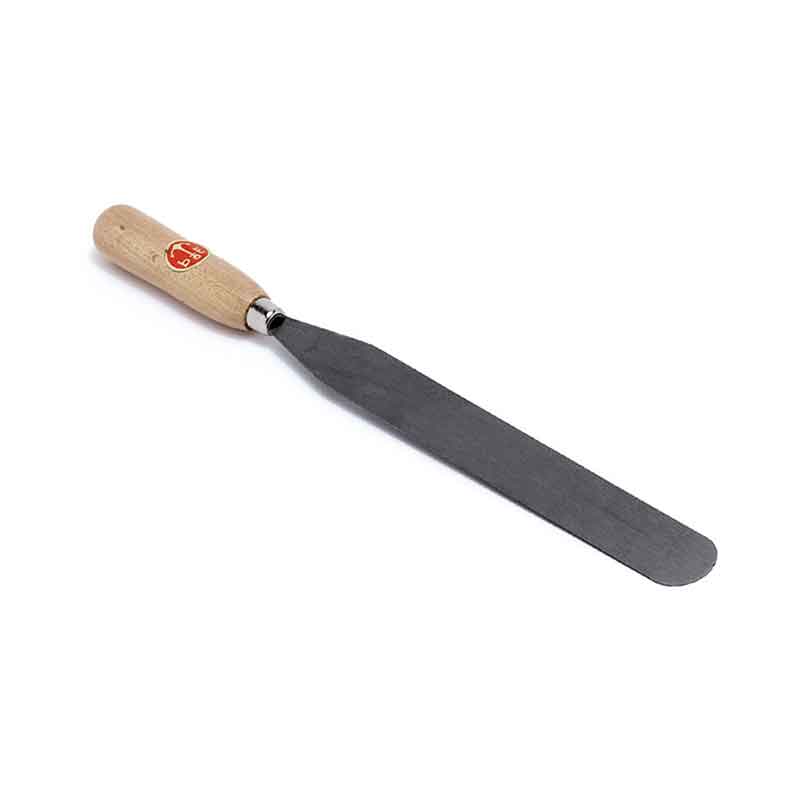
Painting knife - Palette knife
€ 12,90
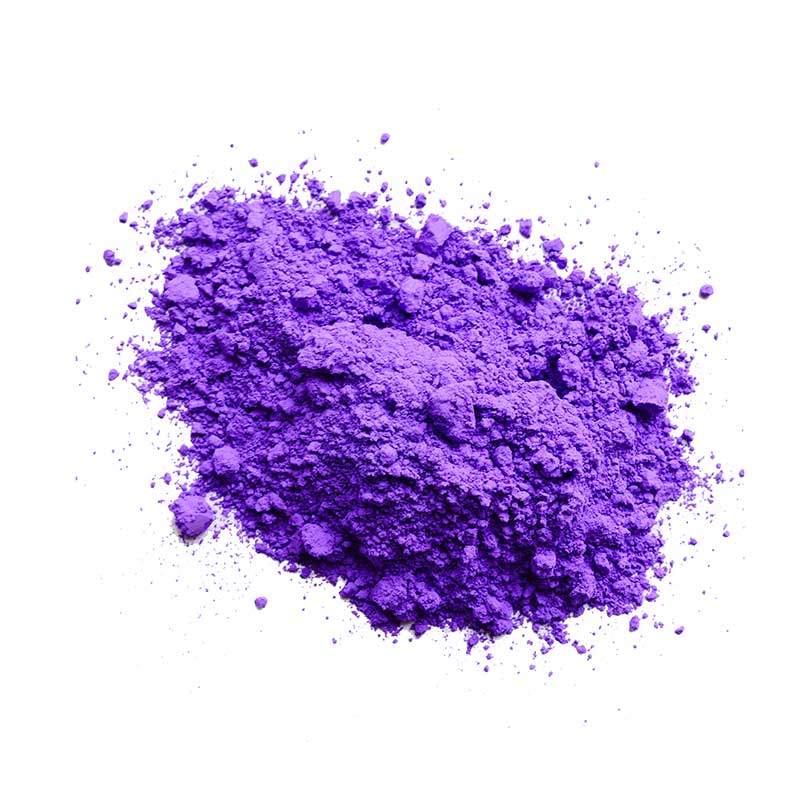
Ultramarine Violet
Price range: € 9,20 through € 40,30
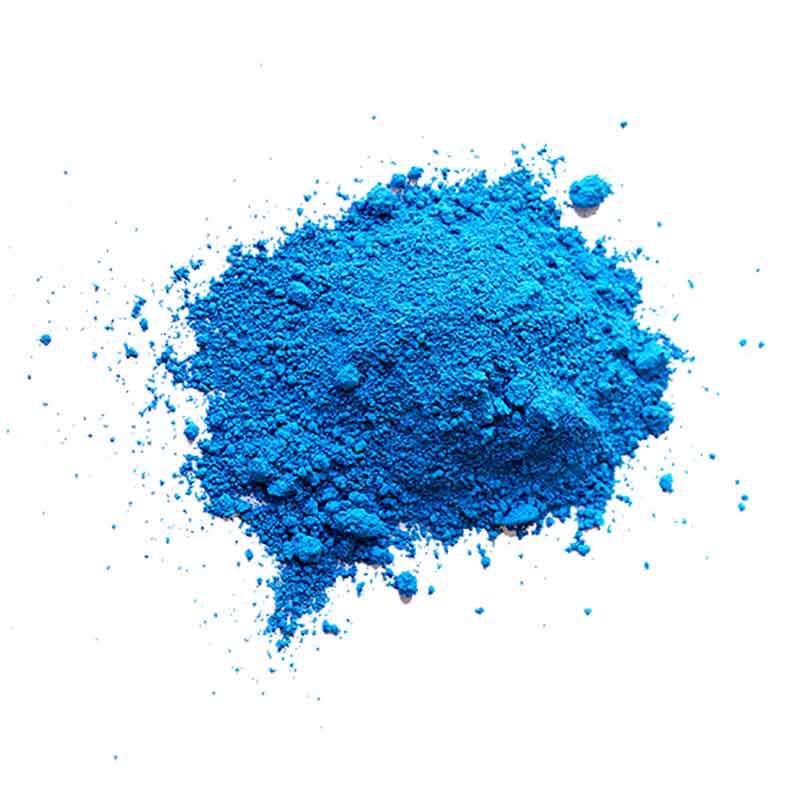
Atlantic blue
Price range: € 9,60 through € 48,10
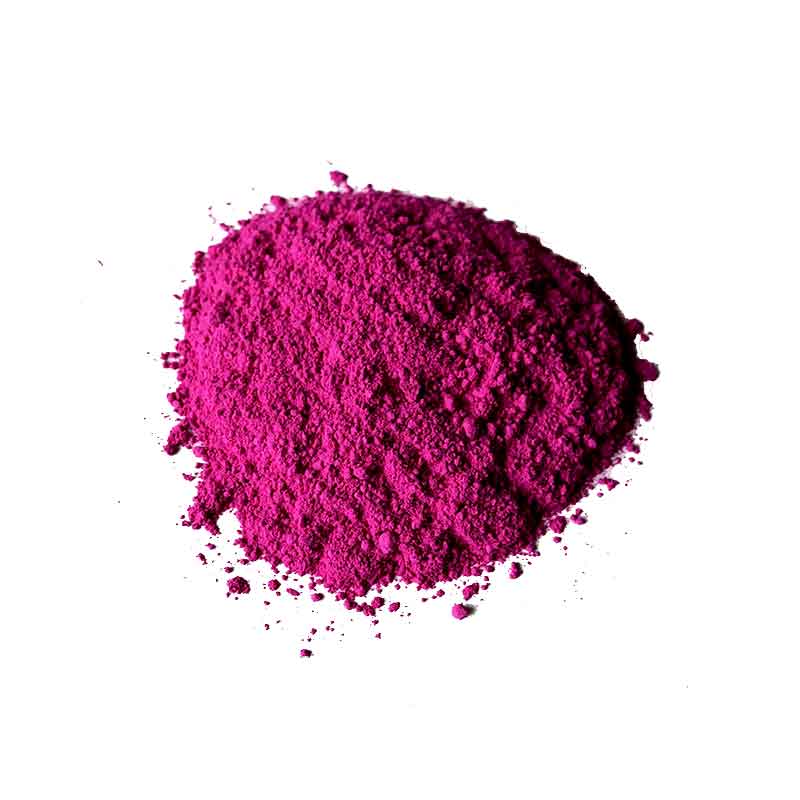
Fuchsia
Price range: € 12,90 through € 79,90
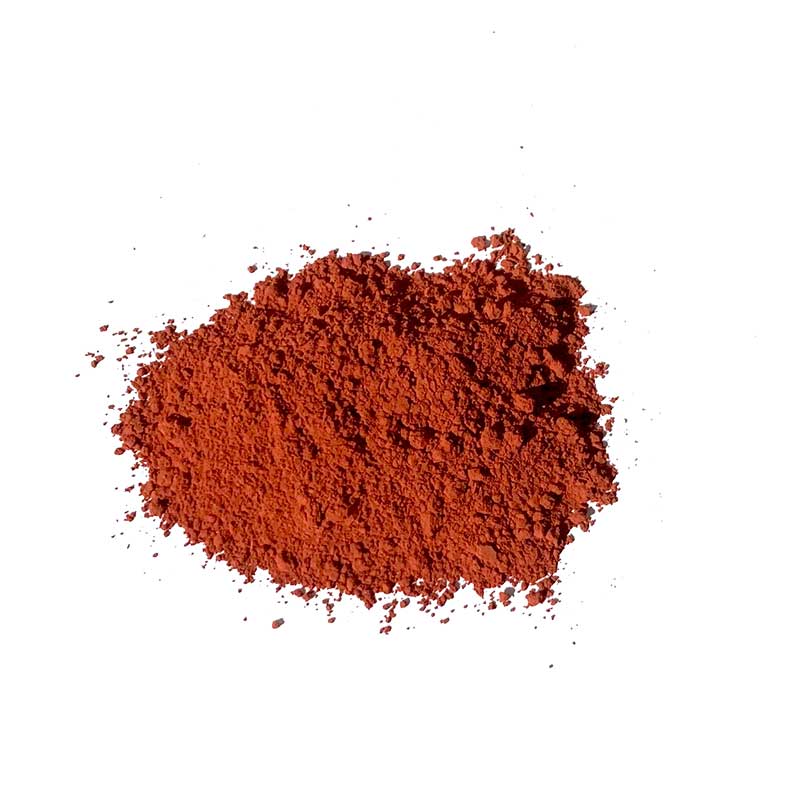
Venetian Red
Price range: € 4,90 through € 16,90
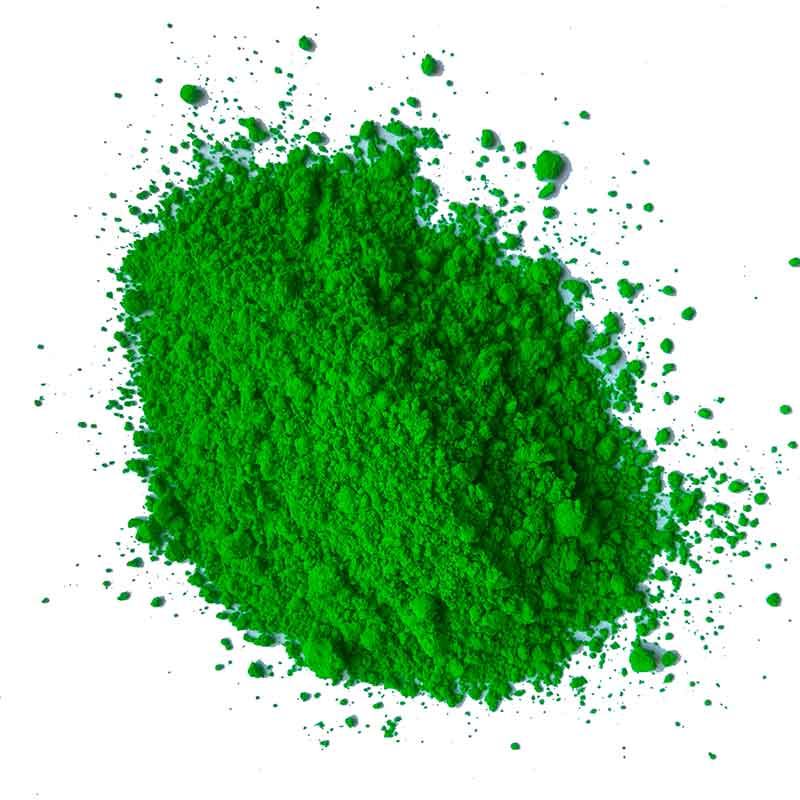
Lime green
Price range: € 3,90 through € 19,90
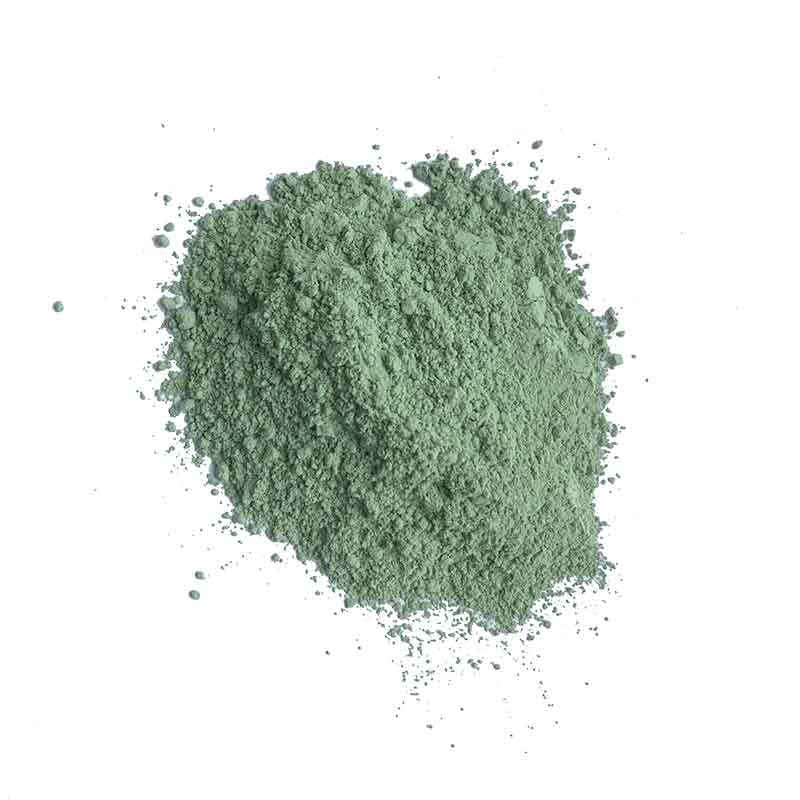
Green Earth Brentonico
Price range: € 2,90 through € 18,90
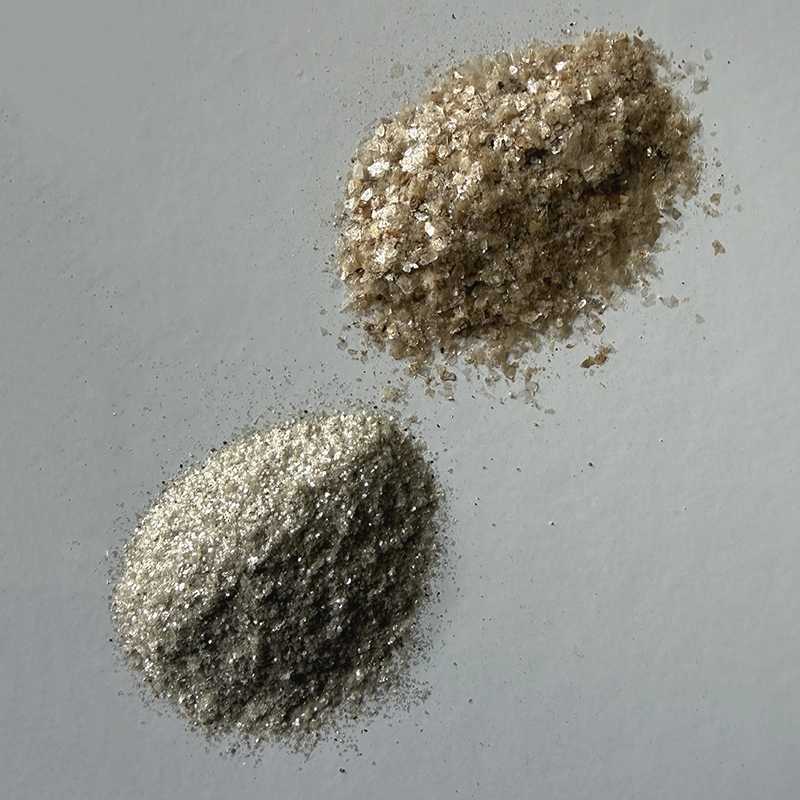
White mica
Price range: € 4,90 through € 18,90
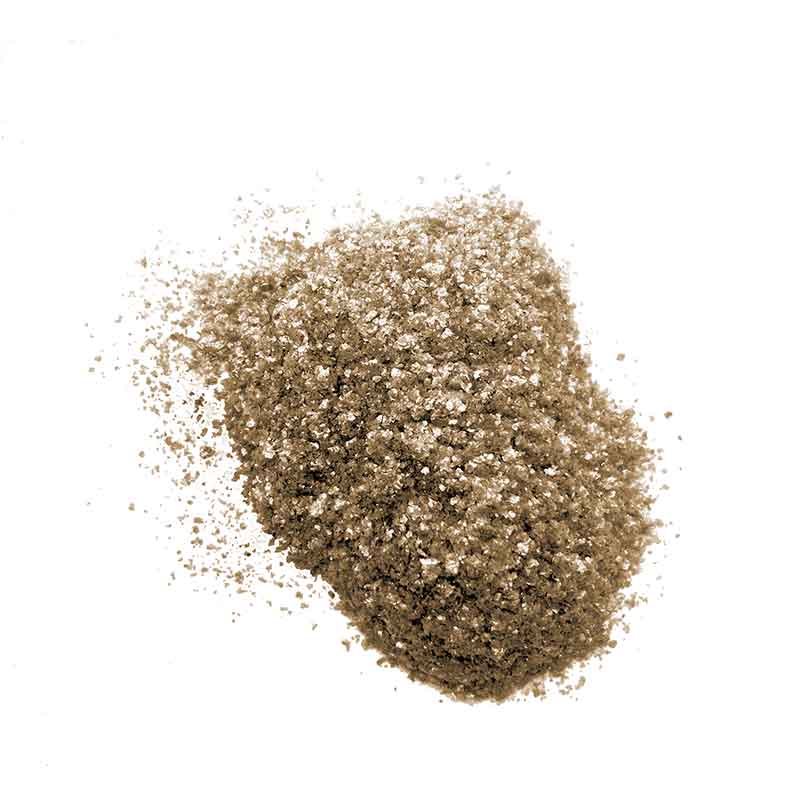
Mica amber coloured
Price range: € 4,90 through € 26,90
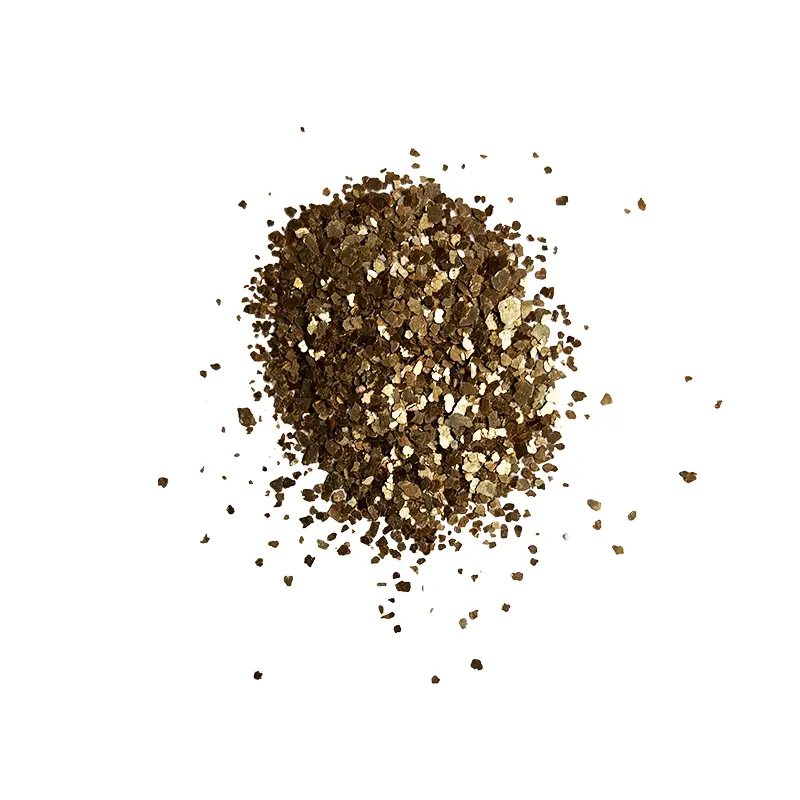
Golden Mica
€ 8,90
What are colour pigments?
Colour pigments are finely ground, colour-bearing powders that can be used to customise the colour of lime plasters, lime paints and other mineral surfaces. Our pigments can be mixed together, creating an almost unlimited variety of individual colour shades in addition to the individual colours.
Many of our inorganic colour pigments are based on oxides and hydroxides, particularly of iron and manganese. Depending on the pigment and the manufacturing process, different shades, colour intensities and characteristic nuances are produced.
What are the properties of our colour pigments?
- lime-compatible and suitable for mineral-based materials
- high resistance to sunlight
- suitable for indoor and outdoor use
- mixable with one another
- for the custom colouring of lime plasters and filling compounds
- also suitable for various decorative painting and glazing techniques
How are the colour pigments used?
Colour pigments require a binder to permanently bond them to the substrate. In our lime plasters, the lime fulfils this function. The pigments can therefore be used to colour Stucco Veneziano, Marmorino and other marble plasters.
To avoid pigment patches, the pigments should be thoroughly ‘soaked’ before being mixed into the filler. This ensures they are distributed more evenly and can subsequently be worked into the plaster homogeneously.
Decorative painting techniques are also possible. For the so-called wax tempera technique, for example, pigments can be mixed with saponified beeswax as a binder.
For glazed surfaces, the colour pigments are stirred into lime sinter water and then applied to the plaster using, for example, a glaze brush.
To colour lime paint, we recommend first mixing the pigments with a suitable wetting agent. After about three hours, the pigments will be sufficiently wetted and can be stirred into lime paint or filling compounds. You will find detailed instructions on mixing the colour pigments in our guide.
How much colour pigment can be used?
When it comes to dosage, the following applies: using more pigment does not necessarily result in a more intense colour. If the maximum possible pigment content is exceeded, the lime can no longer bind the pigments sufficiently. The surface may subsequently chalk or – particularly when used outdoors – the pigments may wash out.
Guidelines for dosage:
- Fillers and lime plasters: maximum approx. 10% by weight of colour pigment
- Lime glazes on fresh plaster (fresco technique): maximum approx. 5% colour pigment
- Lime glazes on dry plaster (Secco technique): maximum approx. 2 % colour pigment
- Colour intensity: Synthetic oxide pigments generally produce a stronger colour than earth pigments
The benefits of choosing Stucco Naturale
Mineral surfaces, personalised advice and products from our own production – we provide you with materials and support all under one roof.
01
Personal advice
We can help you with product selection, material requirements and processing – with a personal and practical approach.
02
Natural lime plasters
Our marble plasters are based on lime and marble powder and create mineral-based, vapour-permeable surfaces.
03
Fast dispatch
We usually dispatch products in stock within 24 hours of receiving your order.
04
Made in Austria
Stucco Veneziano, Marmorino and other products are crafted in our own workshop in Austria.


Any questions about your project?
We’d be happy to advise you on your choice.